


iPhone XS Phone: Features, Specifications and Price
Table of Contents
Introduction:
iPhone XS Price in India was a revolutionary device for Apple when it was released in 2018. Packed with advanced features, a sleek design, and cutting-edge technology, the iPhone XS offered a premium smartphone experience that left a mark on the mobile phone industry. In this comprehensive guide, we will explore everything you need to know about the iPhone XS, from its specifications to its price, advantages, disadvantages, and whether it is still worth choosing in today’s market. [1]
Overview of the iPhone XS
Released by Apple on September 12, 2018, the iPhone XS served as a successor to the iPhone X, bringing a series of improvements that made it one of the most advanced smartphones of its era. It featured enhanced performance, a stunning display, and cutting-edge camera technology, all wrapped in a sleek and elegant design.
- Display: 5.8-inch Super Retina OLED for vivid colors and deep blacks
- Storage Options: Available in 64GB, 256GB, and 512GB variants
- Operating System: Initially launched with iOS 12, but it’s upgradable to the latest iOS versions for ongoing software support
- Processor: Powered by the A12 Bionic chip with a dedicated Neural Engine for fast performance and efficiency
Although the iPhone XS is no longer the newest model, it continues to hold its ground against newer smartphones, offering a premium experience with high-end features that make it a great choice for users who value both style and performance. [2]
Price of iPhone XS
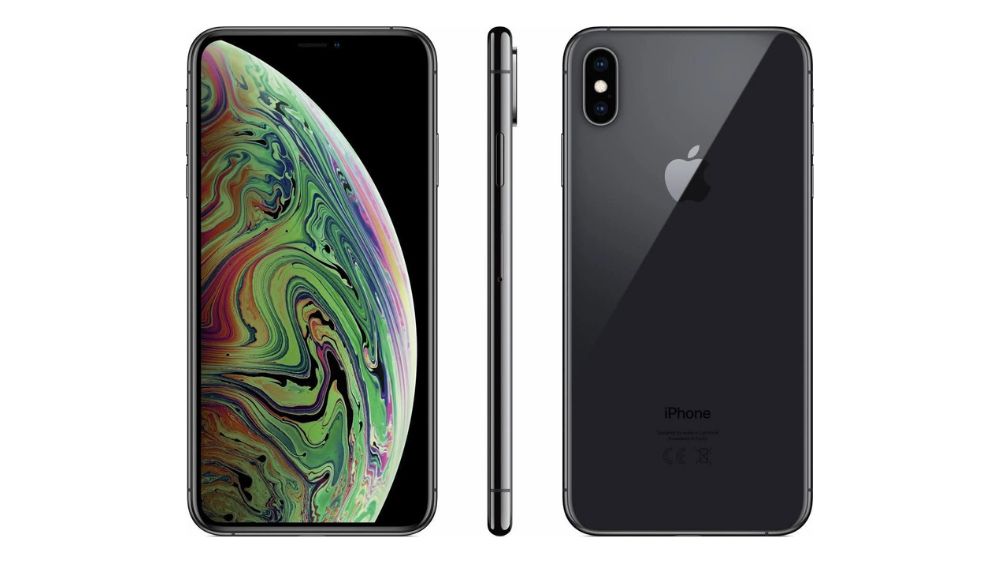
When the iPhone XS was first launched, its price varied depending on the storage capacity and the region where it was sold. However, as it is now an older model, the price has significantly decreased from its initial release. Here’s a general breakdown of the current pricing in India: [3]
- iPhone XS 64GB: ₹99,900 (at launch), now around ₹20,000 – ₹30,000 depending on condition and retailer.
- iPhone XS 256GB: ₹1,04,900 (at launch), now around ₹30,000 – ₹40,000.
- iPhone XS 512GB: ₹1,14,900 (at launch), now around ₹40,000 – ₹50,000.
Features of the iPhone XS
The iPhone XS, released by Apple in 2018, was a flagship model that introduced several notable features. These features continue to make the iPhone XS a high-quality device, even several years after its release. Let’s take a closer look at its standout features in detail:
Design and Build Quality
Apple’s design philosophy is one of the strongest aspects of the iPhone XS. The phone’s build quality is crafted with premium materials, offering a luxurious feel. Here are the key design details:
- Dimensions: The iPhone XS measures 143.6 x 70.9 x 7.7 mm, making it compact enough to be easily held and operated with one hand.
- Weight: Weighing in at 177 grams, the iPhone XS is relatively light for its size, contributing to its overall comfortable feel in hand.
- Materials: It features a stainless steel frame, a glass front and back, and Gorilla Glass for added durability. The glass back also supports wireless charging.
- Color Options: The iPhone XS comes in three elegant colors – Space Gray, Silver, and Gold – providing users with a range of aesthetic choices to suit their style.
- Water and Dust Resistance: With an IP68 rating, the iPhone XS is highly resistant to dust and water, able to withstand being submerged up to 2 meters for 30 minutes, making it ideal for various environments, including wet conditions. [4]
This combination of sleek design, premium materials, and durability makes the iPhone XS stand out in both form and function.
Display
The iPhone XS features an exceptional display that was revolutionary at the time of its release and remains impressive today. Here’s what makes the display stand out:
- Screen Size: The iPhone XS is equipped with a 5.8-inch Super Retina OLED display, offering a great balance of size and portability. The OLED technology offers a superior visual experience.
- Resolution: With a resolution of 1125 x 2436 pixels and a pixel density of around 458 ppi (pixels per inch), the iPhone XS delivers sharp and crisp visuals. [5]
- Brightness: The display reaches a typical brightness of 625 nits, and it can peak at 1200 nits for HDR content, ensuring vibrant colors even in bright environments.
- HDR Support: The iPhone XS supports HDR10 and Dolby Vision, which provide enhanced color range and deeper contrasts for streaming content and watching HDR videos.
The result is a display that offers stunning color accuracy, rich contrast, and vibrant visuals, making it perfect for watching videos, gaming, and everyday use.
Performance
Under the hood, the iPhone XS is powered by Apple’s A12 Bionic chip, which was one of the most powerful mobile processors available at the time of launch. It provides smooth performance and handles even the most demanding tasks with ease.
- 6-Core CPU: The A12 Bionic features a 6-core CPU, which includes two performance cores that are 15% faster than the previous generation and four efficiency cores that use 50% less power.
- 4-Core GPU: For improved graphics performance, the chip includes a 4-core GPU that delivers faster and more fluid graphics, making it ideal for gaming, photo and video editing, and augmented reality (AR) experiences. [6]
- Neural Engine: The A12 Bionic includes a dedicated Neural Engine, which processes machine learning tasks. This is especially beneficial for things like facial recognition, photo enhancements, and AR applications.
With its powerful processor, the iPhone XS is more than capable of running demanding apps, multitasking seamlessly, and providing a smooth user experience.
Camera System
The iPhone XS comes with a powerful dual-camera setup that allows users to take professional-quality photos and videos. Here’s a breakdown of the camera system:
- Dual 12MP Rear Cameras:
- Wide Camera: Featuring a f/1.8 aperture and optical image stabilization (OIS), this camera captures sharp, bright images, even in low-light conditions.
- Telephoto Camera: The f/2.4 aperture allows for optical zoom, so you can zoom in on your subject without losing image quality. It also provides a 2x optical zoom and supports digital zoom up to 10x. [7]
- Portrait Mode: The Portrait Mode utilizes the dual cameras to create beautiful, DSLR-like photos with a blurred background (bokeh effect). It also allows for adjustable depth control, enabling you to fine-tune the amount of blur in the background for more creative control.
- Smart HDR: Apple’s Smart HDR technology helps capture more details in highlights and shadows, ensuring that photos have better dynamic range. It also works by processing multiple exposures to deliver the best possible image quality in various lighting conditions.
- Video Recording: The iPhone XS supports 4K video recording at 24, 30, or 60 fps, delivering smooth, professional-quality video. It also supports slow-motion video in 1080p at 120fps and 240fps, allowing you to capture high-quality videos even in challenging conditions. [8]
Overall, the iPhone XS camera system is exceptional, delivering vivid, sharp images, and high-quality video recording, making it a great option for photography enthusiasts.
Battery Life
Even with all its powerful features, the iPhone XS offers solid battery life, making it suitable for all-day use. Here are the details on its battery performance:
- Battery Capacity: The iPhone XS houses a 2,658mAh battery, which supports up to 14 hours of video playback.
- Audio Playback: You can enjoy up to 60 hours of audio playback on a single charge. [9]
- Fast Charging: The iPhone XS supports fast charging, enabling you to charge the battery to 50% in just 30 minutes when using an 18W charger (sold separately).
- Wireless Charging: The iPhone XS is Qi-certified, meaning it supports wireless charging for added convenience.
Despite its relatively compact battery size, the iPhone XS offers impressive battery life, especially when coupled with fast charging and wireless charging support.
Face ID
The iPhone XS continues to feature Face ID, Apple’s advanced facial recognition technology that was first introduced with the iPhone X. Face ID offers a secure and convenient way to unlock your phone, authenticate payments, and use apps that require authentication. It uses a TrueDepth camera system to map your face with more than 30,000 infrared dots to ensure a high level of security. [10]
Storage Options
The iPhone XS is available in three storage capacities, allowing you to choose the one that best fits your needs:
- 64GB: Ideal for users with moderate storage needs, such as those who use their phone for everyday tasks and light media storage.
- 256GB: Suitable for users who store a lot of photos, videos, apps, and games. [11]
- 512GB: The largest storage option, designed for power users who need ample space for heavy media consumption and large files.
Having a variety of storage options ensures that there’s an iPhone XS model for users with different storage requirements.
Specifications of the iPhone XS
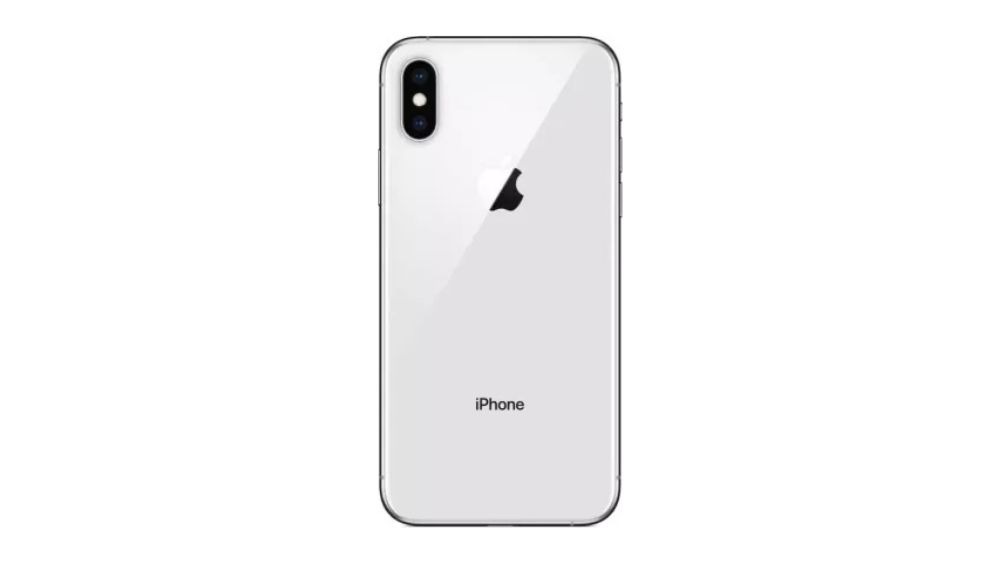
The iPhone XS comes with a high-performance set of specifications that cater to a wide range of user needs, from smooth multitasking and efficient networking to enhanced security features. Below is an in-depth breakdown of the iPhone XS’ key technical specifications: [12]
Operating System
- Initial OS: The iPhone XS originally launched with iOS 12, offering improvements in speed, security, and stability. iOS 12 introduced new features like Screen Time, Group FaceTime, and improved notifications.
- Upgradable: Since its release, the iPhone XS has received multiple iOS updates, and it is compatible with the latest iOS versions. Users can enjoy new features, bug fixes, and security patches, ensuring the phone remains up-to-date for several years.
Chipset
- Apple A12 Bionic Chip: At the heart of the iPhone XS is the powerful A12 Bionic chip built with 64-bit architecture. This chip is designed for high efficiency and performance, making it suitable for demanding tasks, such as gaming, augmented reality (AR), and heavy multitasking.
- 6-Core CPU: The A12 Bionic features a 6-core CPU that includes two high-performance cores that are 15% faster and four high-efficiency cores that use up to 50% less power, contributing to a significant boost in overall performance and energy efficiency. [13]
- 4-Core GPU: Equipped with a 4-core GPU, the A12 Bionic delivers impressive graphics performance, making it ideal for high-quality gaming, video rendering, and other graphic-intensive applications.
- Neural Engine: The Neural Engine, a dedicated processor on the A12 Bionic, is designed specifically for machine learning tasks. This allows the iPhone XS to perform tasks like Face ID recognition, photo enhancements, and real-time AR experiences with precision and efficiency.
RAM
- 4GB RAM: The iPhone XS comes with 4GB of RAM, providing ample memory for smooth multitasking. Whether you’re running multiple apps, browsing the web with many tabs open, or switching between tasks, the 4GB RAM ensures a fluid and responsive user experience. While not the largest amount of RAM by current standards, the efficient optimization of iOS allows the iPhone XS to perform excellently without noticeable lag.
SIM Type
- Nano-SIM and eSIM: The iPhone XS offers flexible network connectivity with support for both Nano-SIM and eSIM. This allows users to have dual SIM functionality without needing two physical SIM cards. eSIM technology enables users to activate a second line without inserting a physical SIM, making it easier to switch carriers or manage personal and business lines on a single device.
- Dual SIM with Dual Standby (DSDS): The iPhone XS allows for Dual SIM, meaning that both lines can be active at the same time. This feature is particularly useful for travelers or users who need a second phone number. [14]
Bluetooth
- Bluetooth 5.0: The iPhone XS is equipped with Bluetooth 5.0, which offers faster data transfer speeds, improved range, and better connection stability compared to previous Bluetooth versions. This ensures that wireless accessories, such as headphones, speakers, and smartwatches, work seamlessly with the iPhone XS. Bluetooth 5.0 also enables more efficient energy consumption, extending battery life when connected to Bluetooth devices.
Wi-Fi
- Wi-Fi 802.11 a/b/g/n/ac with MIMO: The iPhone XS supports Wi-Fi 802.11 a/b/g/n/ac technology, ensuring fast and reliable wireless internet connections. The inclusion of MIMO (Multiple Input, Multiple Output) technology allows for faster download speeds and better performance, even when multiple devices are connected to the same network. Whether you’re streaming videos, browsing the internet, or using online apps, the Wi-Fi capabilities of the iPhone XS ensure you stay connected with minimal lag or interruptions.
USB
- Lightning Connector: The iPhone XS uses Apple’s proprietary Lightning connector for charging, syncing data, and connecting accessories. The Lightning port is compact and versatile, allowing users to connect a wide range of accessories, including headphones, chargers, and docks. While the iPhone XS does not include a USB-C port, the Lightning connector remains fast and efficient, offering reliable performance for both charging and data transfer. [15]
- Fast Charging: The iPhone XS supports fast charging, allowing users to charge up to 50% in just 30 minutes when using an 18W or higher USB-C charger (sold separately).
Sensors
The iPhone XS comes with a variety of sensors that enhance the overall user experience, contributing to the phone’s performance, security, and capabilities:
- Face ID: Powered by a TrueDepth camera system, Face ID is a facial recognition system that enables secure and easy authentication. It allows users to unlock their phone, make payments, and sign in to apps simply by looking at their device. Face ID is designed to work in a variety of lighting conditions and is more secure than traditional fingerprint sensors. [16]
- Accelerometer: The accelerometer detects motion and orientation changes, enabling features like screen rotation, fitness tracking, and gesture controls. It plays a crucial role in apps like fitness trackers and gaming, offering a more immersive experience.
- Gyroscope: The gyroscope detects rotational movement, enhancing the phone’s ability to track and respond to tilts, turns, and twists. This sensor is used in applications such as gaming, navigation, and augmented reality. [17]
- Barometer: The barometer measures atmospheric pressure, which can be useful for tracking altitude or determining weather conditions. It also aids in navigation and location-based services.
- Proximity Sensor: The proximity sensor detects when the phone is near your face during a call, automatically turning off the display to prevent accidental touches. This sensor also helps with features like Face ID and auto-lock.
Advantages of the iPhone XS
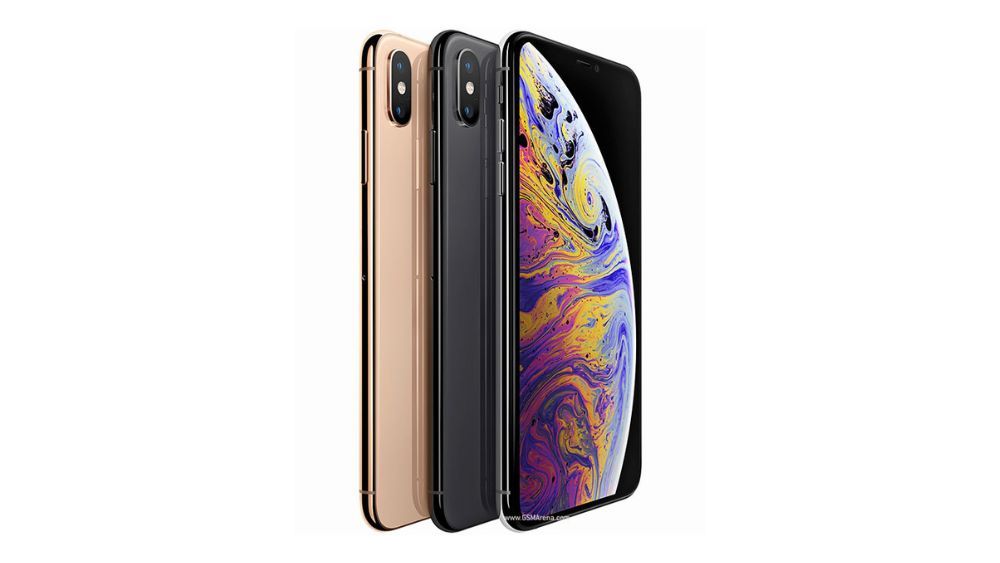
Despite being released in 2018, the iPhone XS remains a strong contender in the smartphone market, offering a range of benefits that continue to make it a great choice for users even in 2023. Here’s a detailed look at the advantages of owning the iPhone XS: [18]
1. Premium Design
Apple has always been renowned for its attention to detail and craftsmanship, and the iPhone XS is no exception. The device boasts a polished stainless steel frame, giving it a premium, high-end feel that’s instantly noticeable when you hold it. The front and back of the iPhone XS are made of durable glass, which not only enhances its aesthetic appeal but also allows for wireless charging.
- Elegance: The rounded edges and glossy surface make the iPhone XS feel luxurious in the hand. The seamless design adds a layer of sophistication that appeals to those who prioritize aesthetics in their devices.
- Color Options: Available in Space Gray, Silver, and Gold, the iPhone XS offers a classic and refined color palette that complements its sleek design. [19]
The device is built to last, with IP68 water and dust resistance ensuring that it can withstand occasional splashes or being submerged up to 2 meters for 30 minutes. This means you can take your iPhone XS to the beach, pool, or even use it in rainy weather without worry.
2. Excellent Display Quality
One of the standout features of the iPhone XS is its Super Retina OLED display. This screen technology, combined with high resolution, makes the iPhone XS one of the best devices for viewing content on a mobile device.
- True-to-Life Colors: The OLED display delivers vibrant and accurate colors, with deep blacks that enhance the contrast for a more immersive experience, especially while watching movies or playing games.
- Sharp Resolution: With a 1125 x 2436 pixel resolution, the iPhone XS offers an impressive pixel density of about 458 pixels per inch (ppi), meaning every image and text on the screen is crisp and clear. [20]
- HDR Support: The iPhone XS supports HDR10 and Dolby Vision, making it ideal for streaming high-quality video content, such as Netflix or YouTube, in vivid colors and enhanced brightness.
- Outdoor Visibility: The screen has a peak brightness of 1200 nits, making it easy to view content even in direct sunlight. Whether you’re outdoors in the park or at a café, the screen remains highly legible in bright environments.
3. Powerful Performance
The A12 Bionic chip powers the iPhone XS, providing impressive performance that stands the test of time. The chip is designed with a 6-core CPU, 4-core GPU, and Neural Engine for handling a wide range of tasks, from gaming to machine learning and multitasking. [21]
- Smooth Multitasking: The A12 Bionic ensures that even with multiple apps open or while using demanding applications, the iPhone XS runs smoothly without any noticeable lag or delay.
- Efficient Power Consumption: Despite its powerful performance, the A12 chip is also efficient, offering a good balance of energy consumption and battery life.
- Graphics Performance: The 4-core GPU enables excellent graphics performance, making the iPhone XS ideal for mobile gaming, video editing, and AR applications.
- Future-Proofing: Even in 2023, the A12 Bionic chip is still capable of handling modern apps and games with ease, ensuring that the iPhone XS remains relevant for years to come.
4. Solid Camera System
Apple has consistently excelled in mobile photography, and the iPhone XS continues this tradition with its dual 12MP rear cameras. The camera system includes a wide lens (f/1.8 aperture) and a telephoto lens (f/2.4 aperture), allowing for versatility in shooting a wide range of subjects. [22]
- Portrait Mode: The advanced bokeh effect in Portrait Mode allows you to capture stunning photos with a blurred background, making your subject stand out sharply. This mode can also adjust the depth of field for more creative control over your shots.
- Smart HDR: The iPhone XS uses Smart HDR to produce photos with exceptional detail, balancing highlights and shadows in challenging lighting conditions. Whether you’re in bright sunlight or low light, the camera excels at capturing well-lit and clear images.
- Low-Light Performance: Even in darker environments, the iPhone XS performs well, offering crisp photos with minimal noise, thanks to its Optical Image Stabilization (OIS) and Smart HDR.
- 4K Video Recording: The iPhone XS can record 4K video at 24, 30, or 60 fps, delivering cinematic-quality video footage with vibrant colors and high clarity. You can also shoot in slow-motion at 1080p resolution, creating professional-looking content with ease. [23]
5. Face ID Security
Introduced with the iPhone X and further refined in the iPhone XS, Face ID provides a secure and convenient way to unlock your phone, make payments, and access apps that require authentication.
- Security: Face ID uses a TrueDepth camera system to scan your face in 3D, ensuring that it’s highly secure and difficult to spoof. It’s more secure than the traditional fingerprint-based Touch ID, as it uses advanced facial recognition technology, including depth sensing and infrared imaging. [24]
- Ease of Use: Face ID unlocks your iPhone XS in an instant, even in low light, making it faster and more convenient than typing a password or using a fingerprint sensor.
- Privacy: Apple places a strong emphasis on privacy, ensuring that the facial data collected by Face ID is stored securely in the Secure Enclave, a dedicated portion of the A12 Bionic chip, so it never leaves the device.
Disadvantages of the iPhone XS
While the iPhone XS is a remarkable device, there are a few drawbacks that might be worth considering before making a purchase. Let’s take a look at some of the key disadvantages:
1. No 5G Support
One of the major drawbacks of the iPhone XS is its lack of support for 5G networks. As 5G technology continues to roll out globally, users of the iPhone XS are limited to 4G LTE connectivity, which means they won’t be able to take full advantage of the much faster download and upload speeds offered by 5G. For those who prioritize future-proofing their device or are in an area where 5G coverage is widespread, this may be a limiting factor. [25]
2. No Headphone Jack
Like most modern iPhones, the iPhone XS no longer includes a 3.5mm headphone jack. While this trend started with the iPhone 7, the lack of a headphone jack may still be an inconvenience for users who prefer wired headphones. Apple provides a Lightning-to-3.5mm adapter in the box, but many users find this extra accessory cumbersome and would prefer a more straightforward solution. [27]
For those who prefer wired audio, this omission might be a dealbreaker, especially since it requires investing in Bluetooth headphones or using adapters for wired audio accessories.
3. Battery Performance
Though the iPhone XS offers decent battery life, it falls short compared to newer models in the iPhone lineup, such as the iPhone 12 and iPhone 13 series. With a 2,658mAh battery, the iPhone XS supports up to 14 hours of video playback and up to 60 hours of audio playback. However, with the release of newer iPhones that focus on energy-efficient processors and larger batteries, the iPhone XS’s battery life may feel a bit lacking in comparison.
If you’re a heavy user or rely on your phone for all-day use, you may find yourself needing to recharge the iPhone XS more frequently than you would newer models. Additionally, while fast charging is supported, the battery capacity may not last as long through heavy use. [26]
Why Choose the iPhone XS?

An Affordable Option for Apple Enthusiasts
The iPhone XS presents a cost-effective solution for those who want to experience Apple’s premium features without the hefty price tag of the latest models. It delivers Face ID, a high-quality camera system, and smooth overall performance, making it an ideal choice for anyone looking to enjoy Apple’s ecosystem at a more accessible price. [28]
Long-Term Software Support
As with all Apple devices, the iPhone XS will continue to receive iOS updates for several years. Apple’s commitment to long-term software support ensures that your device remains functional and secure for a long time, even if it’s not the newest model. This means you’ll have access to the latest features, improvements, and bug fixes, ensuring your iPhone XS stays relevant well into the future.
Impressive Display and Camera Quality
The iPhone XS boasts one of the best displays in its class with its Super Retina OLED screen, offering vivid colors, deep blacks, and crisp detail. Whether you’re streaming videos, browsing the web, or playing games, the display offers an outstanding viewing experience. [29]
Its dual-camera system is also a standout, capable of capturing sharp, vibrant images even in challenging lighting conditions. Features like Portrait Mode and Smart HDR enable users to take stunning photos with a professional touch.
Seamless Integration with the Apple Ecosystem
For those already immersed in the Apple ecosystem, the iPhone XS is a fantastic choice. It integrates effortlessly with devices like the Apple Watch, MacBook, and iPad, providing a connected experience across all your Apple devices. Whether it’s syncing files, receiving calls, or using Continuity features, the iPhone XS works in harmony with other Apple products, offering a smooth and convenient experience. [30]
Conclusion
The iPhone XS continues to be a great smartphone choice for those seeking a high-performance device with a premium design, top-tier display, and excellent camera capabilities. While it’s not the latest model, it still holds up very well against many newer smartphones and remains a popular choice for users who want a reliable, stylish, and feature-packed iPhone at a more affordable price. Whether you’re into photography, gaming, or just need a phone with all-around excellent performance, the iPhone XS is a solid option worth considering. [32]
FAQs
1. What is the price of the iPhone XS?
The price of the iPhone XS varies depending on the storage capacity and the seller. Since it’s an older model, it’s more affordable compared to newer iPhone models. Typically, the price can range from ₹30,000 to ₹50,000, depending on factors such as condition (new or refurbished) and retailer.
2. Does the iPhone XS support 5G?
No, the iPhone XS does not support 5G. It only supports 4G LTE. If you’re looking for 5G connectivity, you’ll need to opt for a newer iPhone model, such as the iPhone 12 or later.
3. What is the camera quality like on the iPhone XS?
The iPhone XS features a dual-camera setup with a 12MP wide and telephoto lens, capable of taking sharp, vibrant photos. The camera system supports Smart HDR, Portrait Mode, and optical zoom. It can also record 4K video at up to 60 fps, ensuring great quality for both photos and videos.
4. What are the available storage options for the iPhone XS?
The iPhone XS comes in three storage variants:
64GB
256GB
512GB
It’s important to choose the storage option that fits your needs, especially if you store a lot of media or apps on your device.
5. Is the iPhone XS waterproof?
Yes, the iPhone XS has an IP68 rating, which means it is water and dust resistant. It can withstand being submerged in water up to 2 meters for 30 minutes, making it suitable for everyday use in wet conditions or accidental spills.
6. Does the iPhone XS have a headphone jack?
No, the iPhone XS does not have a 3.5mm headphone jack. You’ll need to use wireless Bluetooth headphones or a Lightning to 3.5mm adapter to use wired headphones.
7. Does the iPhone XS support wireless charging?
Yes, the iPhone XS supports Qi-certified wireless charging, allowing you to charge your phone without plugging it in. It also supports fast charging, which can charge the battery to 50% in about 30 minutes using an 18W charger (sold separately).
8. How long will the iPhone XS receive software updates?
Apple typically provides software updates for iPhones for at least 5-6 years from the device’s release date. Since the iPhone XS was released in 2018, it will continue receiving iOS updates for a few more years, ensuring access to the latest features and security patches.
9. What colors are available for the iPhone XS?
The iPhone XS is available in three elegant colors:
Space Gray
Silver
Gold
These color options offer a premium look and feel, with the stainless steel frame adding a touch of luxury.
10. What is the battery life like on the iPhone XS?
The iPhone XS has a 2,658mAh battery, which provides up to 14 hours of video playback and up to 60 hours of audio playback. While it offers decent battery life, newer models may offer better battery efficiency and longer usage times due to improvements in power management.
11. Is the iPhone XS a good phone for gaming?
Yes, the iPhone XS is equipped with the A12 Bionic chip, which ensures smooth performance for gaming. The chip includes a 4-core GPU, delivering excellent graphics rendering for even the most demanding games. The Super Retina OLED display also enhances the gaming experience with its vibrant colors and sharp details.
12. Can I use Face ID with the iPhone XS?
Yes, the iPhone XS features Face ID, Apple’s secure facial recognition system. You can use Face ID to unlock your phone, make payments with Apple Pay, and authenticate apps. It offers a higher level of security and convenience compared to the previous Touch ID.
13. How durable is the iPhone XS?
The iPhone XS is built with high-quality materials, including a stainless steel frame and glass front and back. It is designed to be durable, with its IP68 water and dust resistance rating ensuring it can withstand spills and splashes. However, it’s still advisable to use a case to protect the device from accidental drops or scratches.
14. Can I upgrade the storage on the iPhone XS?
No, the iPhone XS does not have expandable storage, so you cannot add a microSD card to increase storage. Be sure to choose the storage option that best suits your needs when purchasing the device.
15. Does the iPhone XS support eSIM?
Yes, the iPhone XS supports eSIM technology, allowing you to use dual SIMs—one physical Nano-SIM and one eSIM—on the same device. This is particularly useful for travelers or those who need two phone numbers.
Disclaimer: We do not guarantee that all the details in this comparison are 100% accurate, as specifications, prices, and availability it might be change.
By – munafekideal